He slept on the living room floor: Sundar Pichai's Chennai childhood
Google CEO Sundar Pichai grew up in a modest Chennai home, slept on the living room floor, queued for water in a drought and waited years for a phone.
Sundar Pichai grew up in a modest house in Chennai shared with tenants. His family slept on the living room floor, queued for water in a drought and waited five years for a phone.

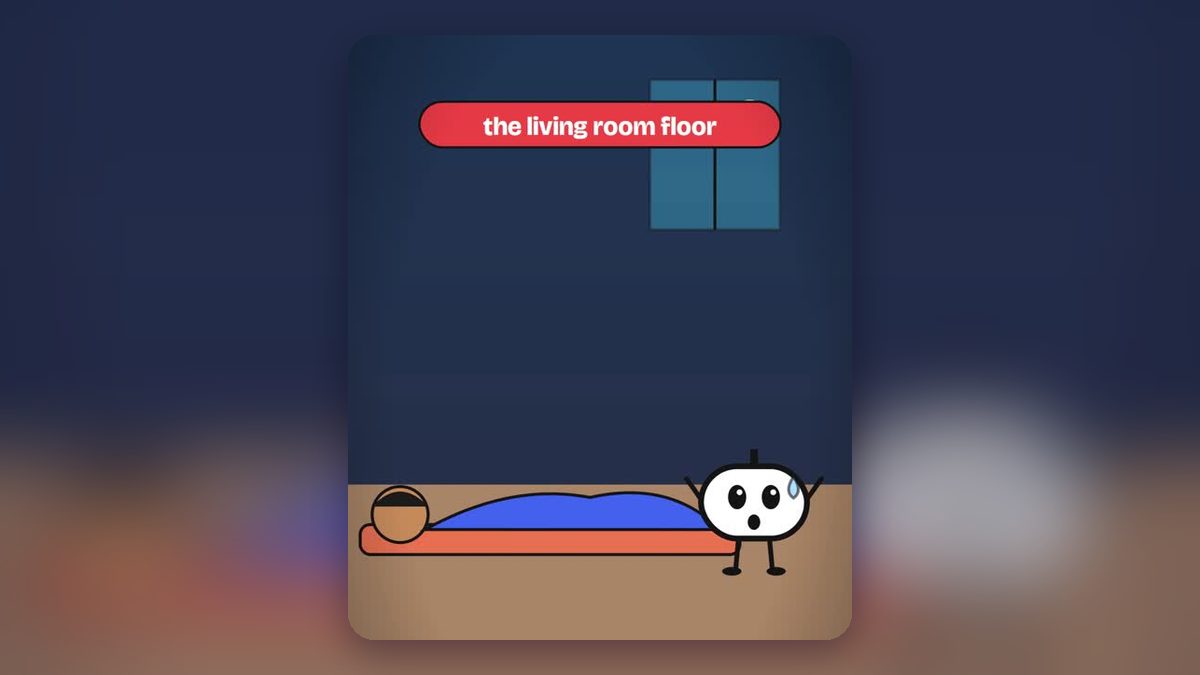
Illustration from the Borrowed Hindsight video about this story.
In this story
Long before he ran Google, Sundar Pichai was a boy in Chennai who slept on the floor. "We lived in a kind of modest house, shared with tenants," he told The New York Times in 2018. "We would sleep on the living room floor."
Today he leads one of the world's most valuable companies. But in interviews over the years he has kept coming back to that small house, the water queues and the long wait for a telephone, and to what those years taught him about attention, gratitude and hard work.
Where did Sundar Pichai grow up?
Pichai was born on 10 June 1972 in Madras, now Chennai, in Tamil Nadu. Britannica notes that his father was an electrical engineer at GEC, a British company. The family was middle class, and money was carefully spent.
In the 2018 New York Times interview, reported by Business Today and IBTimes, he described a simple life built around friends, books and the street. "Friends, playing street cricket, reading books — that was kind of the totality of life," he said. "There was a simplicity to my life."
Queuing for water in a drought
Water was not something the family could take for granted. On the Lex Fridman Podcast in 2025, Pichai recalled a severe drought when water was delivered by truck. "It was a massive drought, so they would get water in these trucks," he said, with only a few buckets for each household.
"Me and my brother, sometimes my mom, we would wait in line, get that and bring it back home," he told Fridman. Business Today, reporting on the interview, said the family waited for hours with containers for the water truck to arrive.
That experience stayed with him. "There was a drought when I was growing up, and we had anxiety," he told The New York Times. "Even now, I can never sleep without a bottle of water beside my bed."
A refrigerator, a phone and a VCR
Many everyday comforts arrived slowly. "Other houses had refrigerators, and then we finally got one," he told The New York Times. He described its arrival as "a big deal".
A telephone took even longer. "There was a five-year waiting list, and we got a rotary telephone," he told Lex Fridman, a detail Business Today also reported.
Television was similar. "We had to convince my dad for a long time to get a VCR," he said on the podcast, adding that before that there had been only one TV channel. He read widely instead, everything from philosophy to crime novels, as he put it.
The plane ticket his father paid for
Pichai studied metallurgical engineering at IIT Kharagpur and won a place at Stanford University in the United States for a master's degree.
Getting there was the family's biggest bet. In his online "Dear Class of 2020" graduation speech in June 2020, he said: "My father spent the equivalent of a year's salary on my plane ticket to the US so I could attend Stanford." It was his first time on a plane.
Life in America was expensive by his family's standards. "A phone call back home was more than $2 a minute, and a backpack cost the same as my dad's monthly salary in India," he told graduates, as The Tribune and The Federal reported.
Looking back on that journey, he told the graduates that what carried him was not money or connections. Other than luck, he said, the only thing that got him from there to here was "a deep passion for technology, and an open mind". His advice to them, as The Tribune summed it up in its headline, was to be impatient and open-minded.
From Stanford to Google CEO
After his master's degree in 1995, Pichai worked briefly at the chipmaker Applied Materials, then earned an MBA from the Wharton School and spent a short time at the consultancy McKinsey, according to Britannica.
He joined Google in 2004 and helped lead work on the Google Toolbar and then the Chrome browser, which launched in 2008. In August 2015 he became Google's CEO, and in December 2019 he also became CEO of its parent company, Alphabet, as Britannica and Stanford's own biography of him both record.
What his childhood taught him
Pichai does not describe his childhood as a hardship story. He describes it as simple, and he has spoken often about how it shaped him, making him value things that others might take for granted, from running water to a working phone line.
Notice, too, how ordinary most of his memories are. They are not about a single dramatic break. They are about waiting in a queue with his brother, a family getting its first fridge, a phone that took five years to arrive and a wide mix of books, from philosophy to crime novels. Small, everyday experiences like these quietly shape what a person pays attention to later in life.
The lesson for the rest of us is not that hardship is required for success. It is that what you lacked can sharpen what you notice, and what you are willing to work for. It is also a reminder that most big journeys start with someone else's sacrifice: in his case, a father who spent a year's pay on one plane ticket.
Timeline
- 1972Sundar Pichai is born in Madras (now Chennai)
- 1995Completes a master's degree at Stanford
- 2004Joins Google
- Aug 2015Becomes CEO of Google
- Dec 2019Also becomes CEO of Alphabet
- Jun 2020Tells graduates his father spent a year's salary on his ticket to the US
Scarcity can teach you what matters. Notice what your harder years taught you, and remember who sacrificed to give you a start.
Your check
- What is one thing you grew up without that taught you something useful?
- Who made a sacrifice for your start, and have you told them what it meant?

Questions people ask
Did Sundar Pichai sleep on the floor as a child?
Yes. He told The New York Times in 2018 that his family lived in a modest house in Chennai shared with tenants, and that they slept on the living room floor.
How did Sundar Pichai get to Stanford?
He won a place for a master's degree, and his father spent the equivalent of a year's salary on his plane ticket to the US. It was his first flight.
Where did Sundar Pichai grow up?
In Chennai (then Madras), Tamil Nadu. His family queued for water during a drought and waited five years for a rotary telephone.
Why does Sundar Pichai keep water by his bed?
He has said that a drought during his childhood left him anxious about water, and that he still cannot sleep without a bottle of water beside his bed.
When did Sundar Pichai become CEO of Google?
He became CEO of Google in August 2015 and CEO of its parent company Alphabet in December 2019. He joined Google in 2004.
Sources
- IBTimes India, Sundar Pichai speaks of simple life in Chennai, recalls sleeping on floor (Nov 2018)
- Republic World, 'There was a simplicity to my life', says Sundar Pichai (9 Nov 2018)
- Lex Fridman Podcast #471 transcript, Sundar Pichai (2025)
- Business Today, 'We waited hours for water': Sundar Pichai on growing up in scarcity (12 Jun 2025)
- The Tribune, Be impatient, open minded: Sundar Pichai tells graduates (8 Jun 2020)
- The Federal, Father spent a year's salary to buy flight ticket to US: Sundar Pichai (9 Jun 2020)
- Britannica, Sundar Pichai
Every fact on this page comes from the sources above, and every number is checked in at least two. General education, not personal or financial advice. Spotted an error? Tell us and we will correct it. Read our editorial standards.