
Small Start, Big Result
Every big result in this collection started with a step that looked too small to matter: a rooftop kitchen, one shop counter, a first sale at a weekend market, a single free lesson posted online.
These stories are about the size of the first step, not the size of the dream. We look at what each person started with, why they began anyway, and how a modest routine turned into something much larger over years rather than weeks. Every number is verified in at least two sources, and each story lists them.
If you have been waiting for the right moment or enough money to begin, these are the stories to read first.
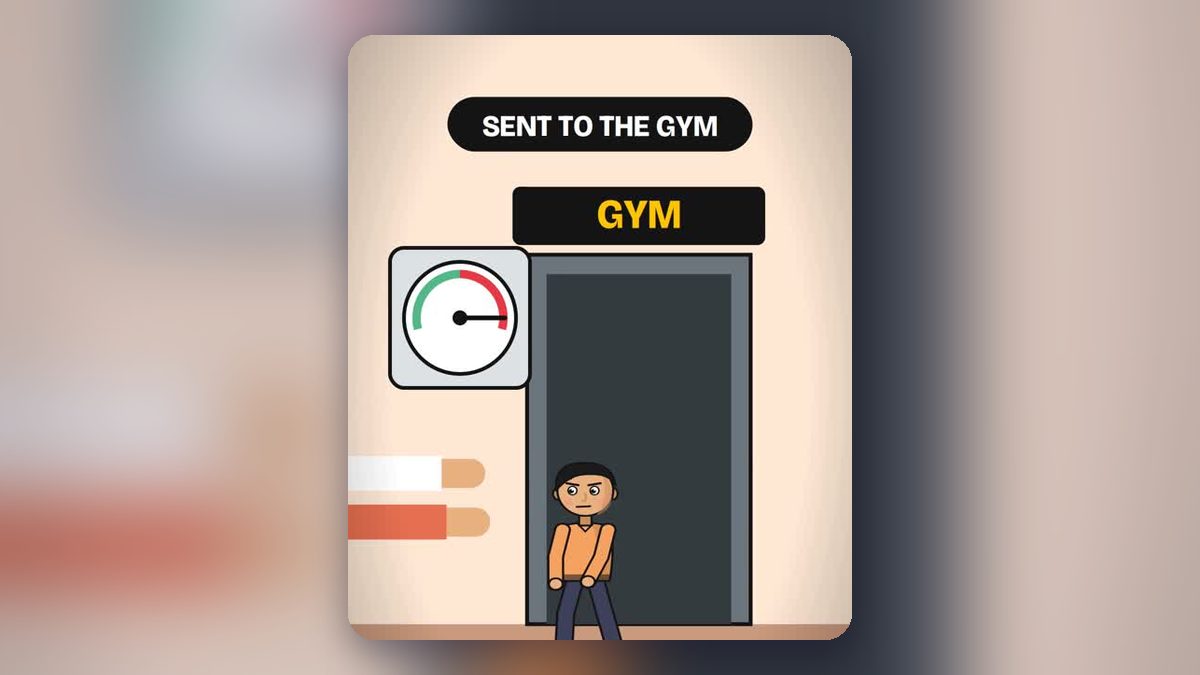
Sent to the Gym to Lose Weight: How Neeraj Chopra Found the Javelin and Won Olympic Gold
Neeraj Chopra's family sent him to a gym to get fit. It shut down, he found the javelin at Panipat's stadium, and in Tokyo he threw 87.58 m for gold.
4 min read
He slept on the living room floor: Sundar Pichai's Chennai childhood
Google CEO Sundar Pichai grew up in a modest Chennai home, slept on the living room floor, queued for water in a drought and waited years for a phone.
4 min read
He mortgaged his house for a badminton academy: Pullela Gopichand
All England champion Pullela Gopichand mortgaged his home to finish a badminton academy in Hyderabad. Its players went on to win India's Olympic medals.
4 min read
13 employees, $1 billion: how Instagram began by cutting almost everything
Instagram began as Burbn, a check-in app with too many features. Its founders kept only photos, and 18 months later Facebook agreed to pay $1 billion.
4 min read
From ticket collector to the World Cup-winning six: MS Dhoni
MS Dhoni once checked train tickets at Kharagpur station and played for the railway team. In 2011 he hit the six that won India the World Cup.
4 min read
He planted a forest by himself: Jadav Payeng and Molai forest
In 1979 teenager Jadav Payeng planted bamboo on a bare Brahmaputra sandbar in Assam. He kept planting, and Molai forest now covers about 1,360 acres.
4 min read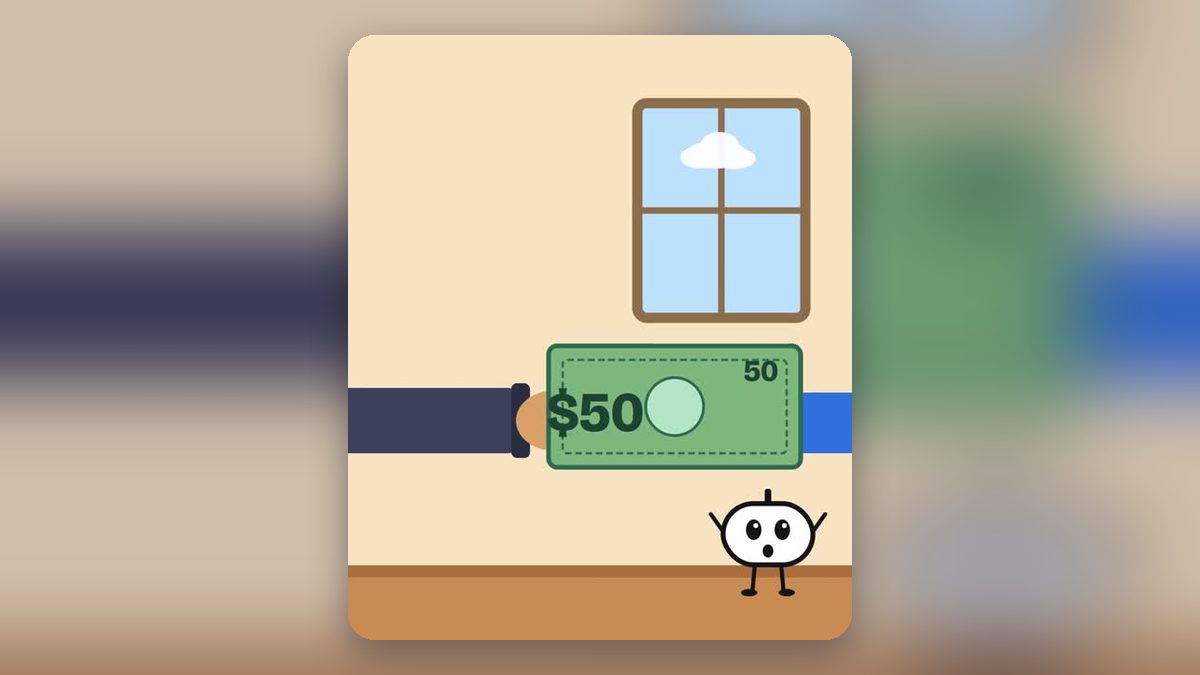
$50 from his dad. Shoes in his trunk. It became Nike.
Phil Knight borrowed $50 from his father to order running shoes from Japan and sold them from his car trunk. That tiny import business became Nike.
4 min read
Seven women, ₹80 and one rooftop: the Lijjat Papad story
In 1959 seven women in Mumbai borrowed ₹80 and made four packets of papad on a terrace. Lijjat now has about 45,000 women members who co-own it.
4 min read
She bet $5,000 on pantyhose. And kept her day job.
Sara Blakely started Spanx with $5,000 of savings, no investors and her fax-machine sales job intact. Testing the idea before quitting was the bold move.
4 min read