
Zero to Empire
Most of the companies in this collection began with less than a typical monthly salary: a few thousand rupees, a borrowed room, one product nobody had asked for yet. These are the stories of how they grew into names people use every day.
We focus on the early years, when the outcome was far from certain. Each story covers what the founder actually had at the start, the moment it nearly ended, and the decision that kept it going, with every figure checked against at least two published sources.
Read them for the pattern rather than the fame: start smaller than feels respectable, solve a problem you can see in front of you, and keep going long enough for the work to compound.
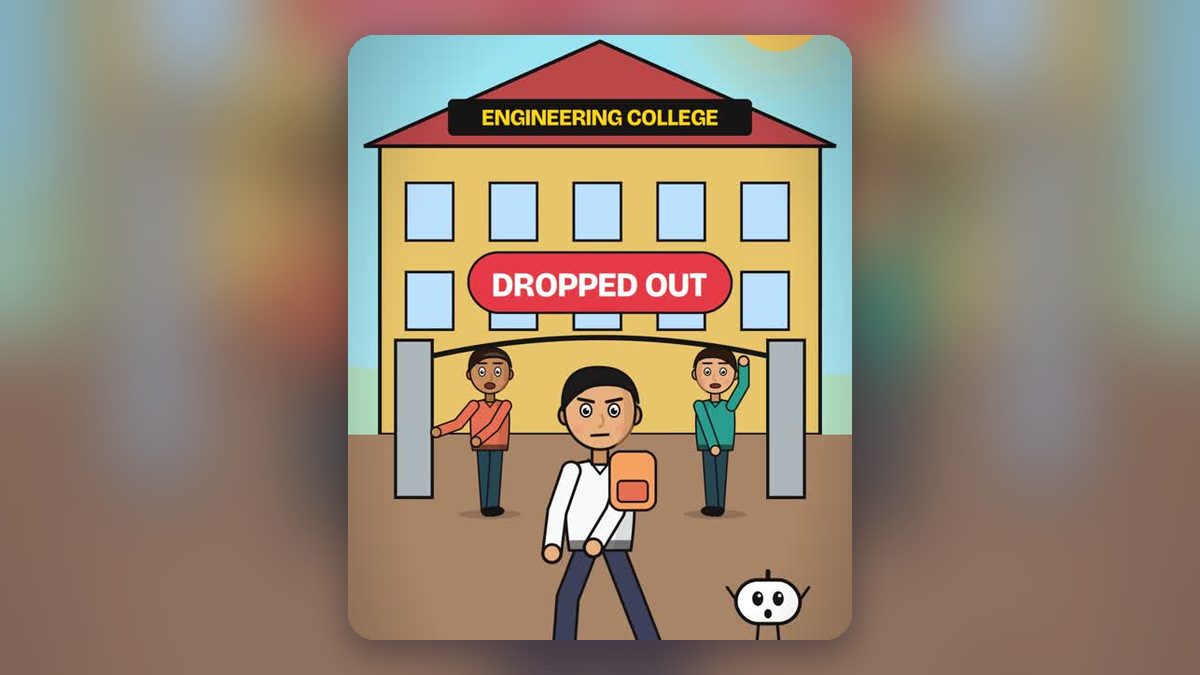
Free physics lessons, a phone and a whiteboard: how PhysicsWallah became a unicorn
Alakh Pandey began posting free physics lessons on YouTube in 2016. By 2022 PhysicsWallah was a unicorn, and in 2025 it listed on the stock market.
4 min read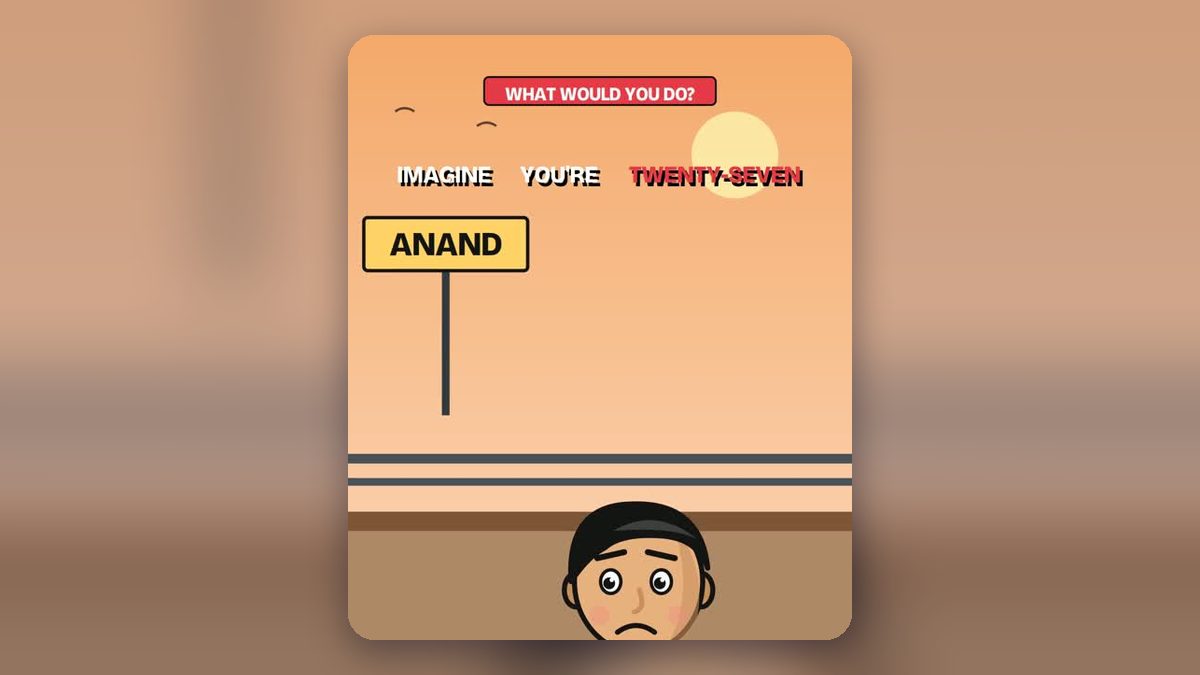
He Was Packed to Leave Anand. A Farmer Asked Him to Stay a Few More Days. That Became Amul
In 1949 Verghese Kurien had his release letter and his bags packed for Bombay. A farmers' leader asked him to stay a few more days. What would you have done? The true story behind Amul, with sources.
3 min read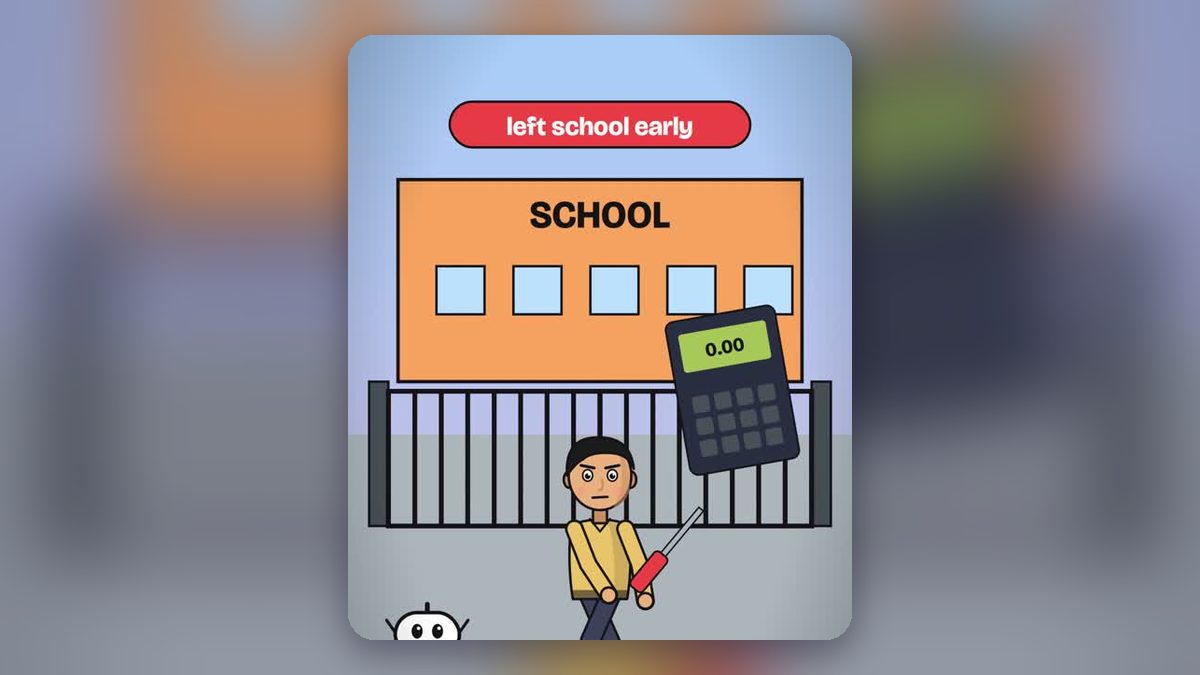
He left school and fixed calculators for ₹400 a month. Then came Quick Heal
Kailash Katkar left school early and repaired calculators in Pune for ₹400 a month. With his brother Sanjay he built Quick Heal, which listed in 2016.
4 min read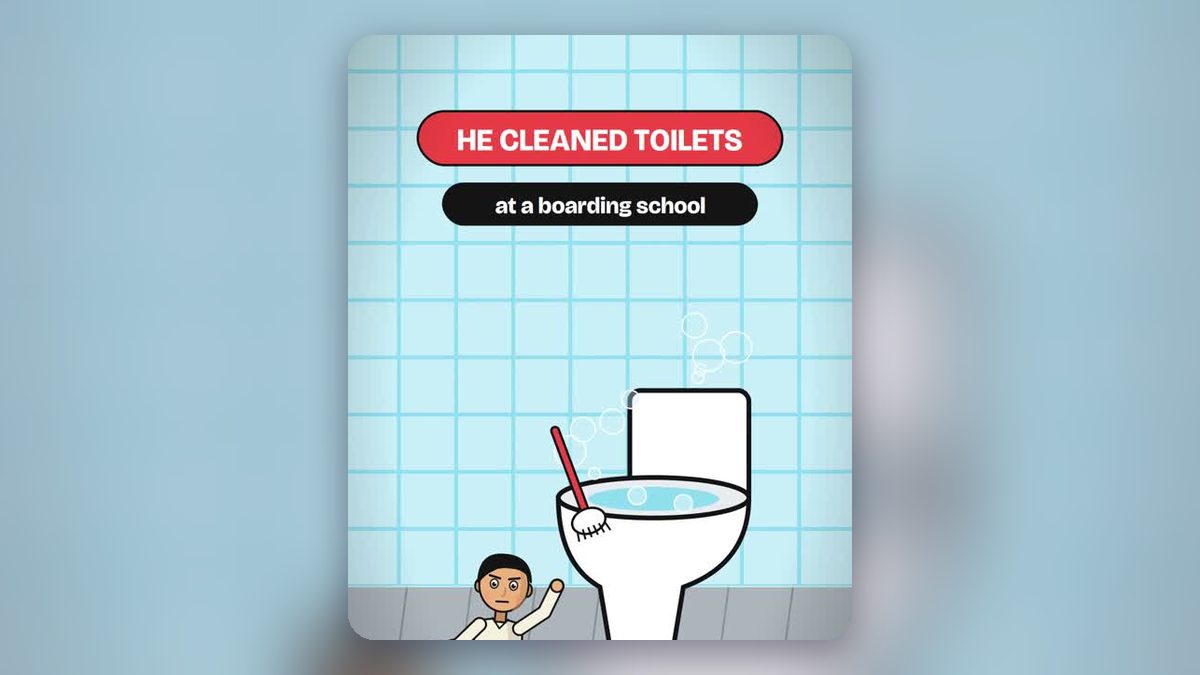
Jensen Huang Cleaned Toilets as a Boy. Then He Built the First $5 Trillion Company
As a boy Jensen Huang cleaned school bathrooms; as a teen he washed dishes at Denny's. At 30 he co-founded Nvidia, the first company worth $5 trillion.
4 min read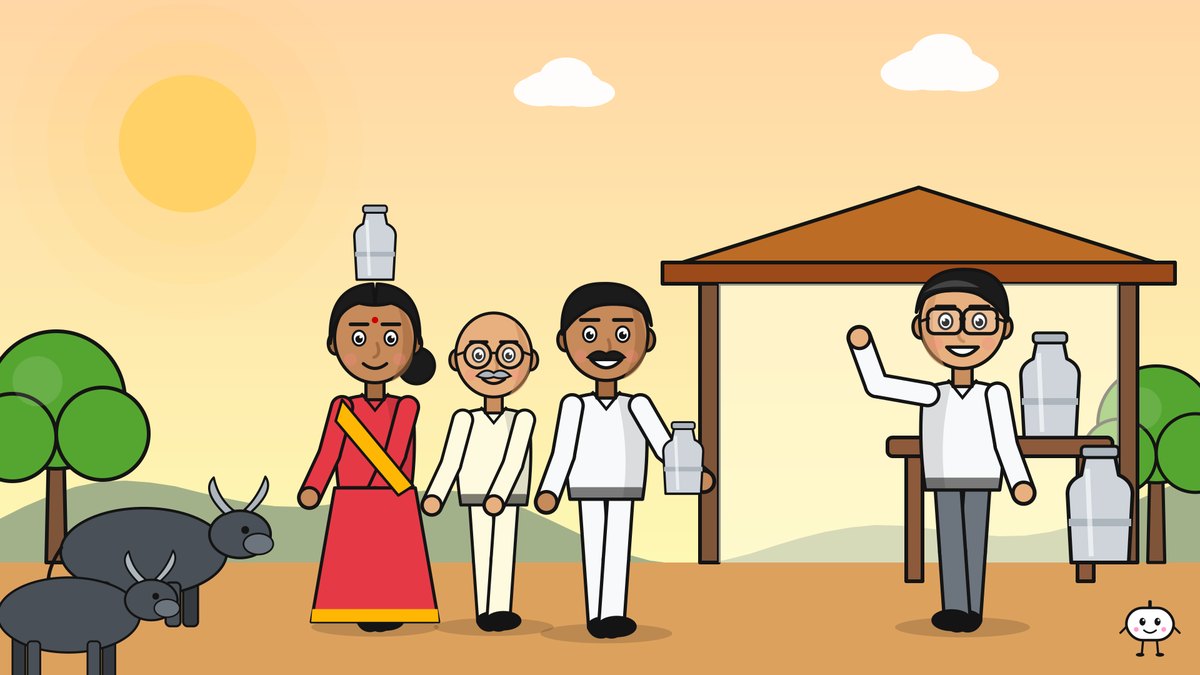
The Amul Story: How 247 Litres of Milk From Two Villages Became India's Biggest Dairy Brand
In 1946, farmers in Kheda formed a cooperative with two village societies and 247 litres of milk. It became Amul. The true story, with sources.
4 min read
How Infosys Started With ₹10,000 From Sudha Murty (1981)
In 1981 Sudha Murty had ₹10,250 in savings. She kept ₹250 and gave the rest to Narayana Murthy. That money helped start Infosys. The true story, with sources.
4 min read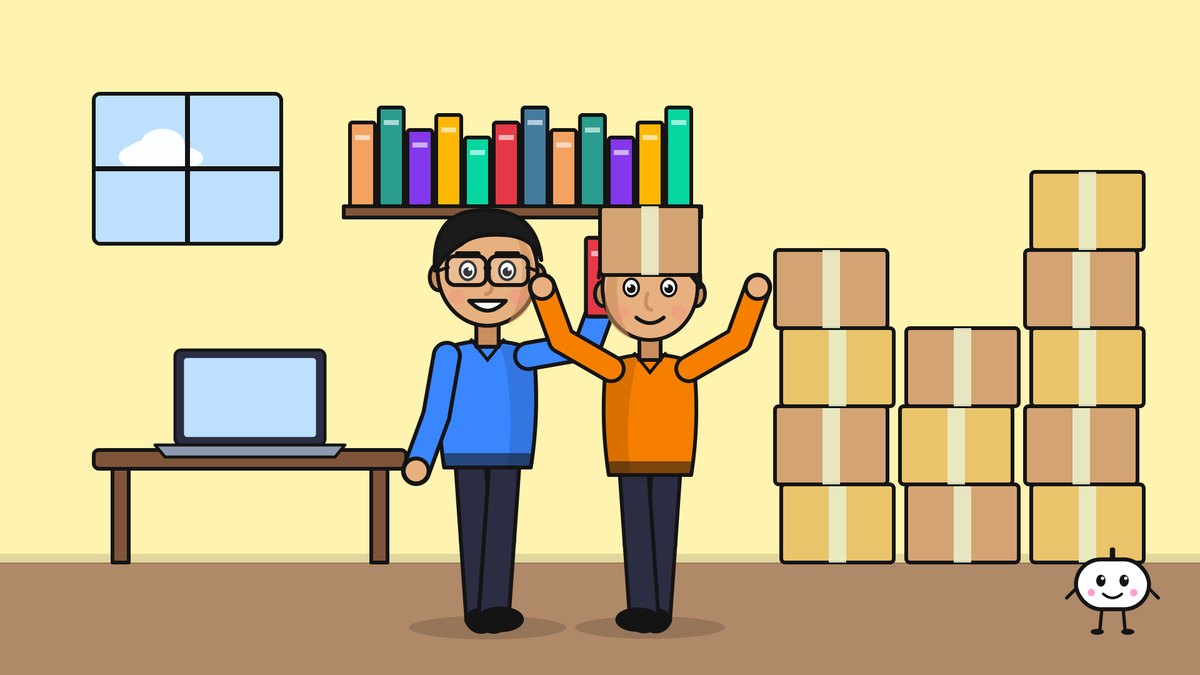
Two friends, one small flat and a few books: how Flipkart began
In 2007 Sachin and Binny Bansal started Flipkart as an online bookstore from a Bengaluru flat. In 2018 Walmart paid $16 billion for about 77% of it.
4 min read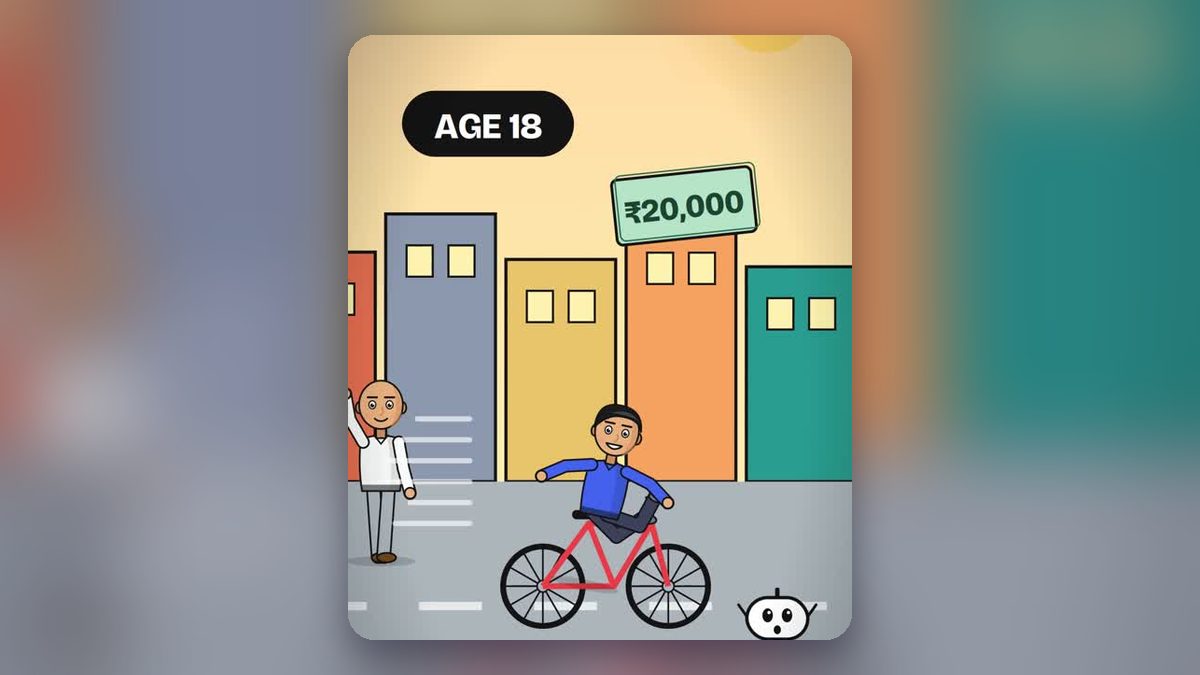
Eighteen years old, twenty thousand rupees, Ludhiana: how Sunil Mittal got to Airtel
In 1976, 18-year-old Sunil Mittal borrowed ₹20,000 from his father to make bicycle parts in Ludhiana. A ban, a trade fair and a phone later, came Airtel.
4 min read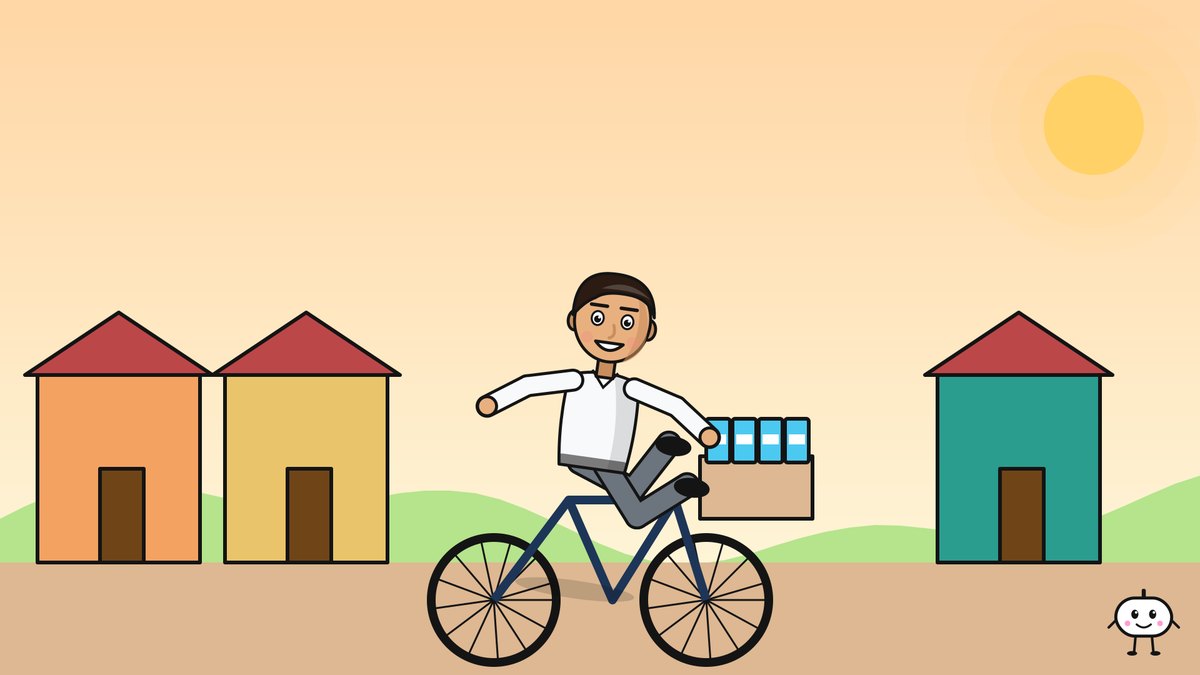
Homemade detergent at ₹3 a kilo: how Karsanbhai Patel's Nirma beat the big brands
In 1969 lab technician Karsanbhai Patel mixed detergent in his backyard and sold it door to door at about ₹3 a kilo. Nirma went on to overtake Surf.
4 min read