He Was Packed to Leave Anand. A Farmer Asked Him to Stay a Few More Days. That Became Amul
In 1949 Verghese Kurien had his release letter and his bags packed for Bombay. A farmers' leader asked him to stay a few more days. What would you have done? The true story behind Amul, with sources.
Why did Verghese Kurien go to Anand?
He was posted to the Government Research Creamery in Anand in 1949 to serve the bond attached to his government scholarship for studies in the United States.

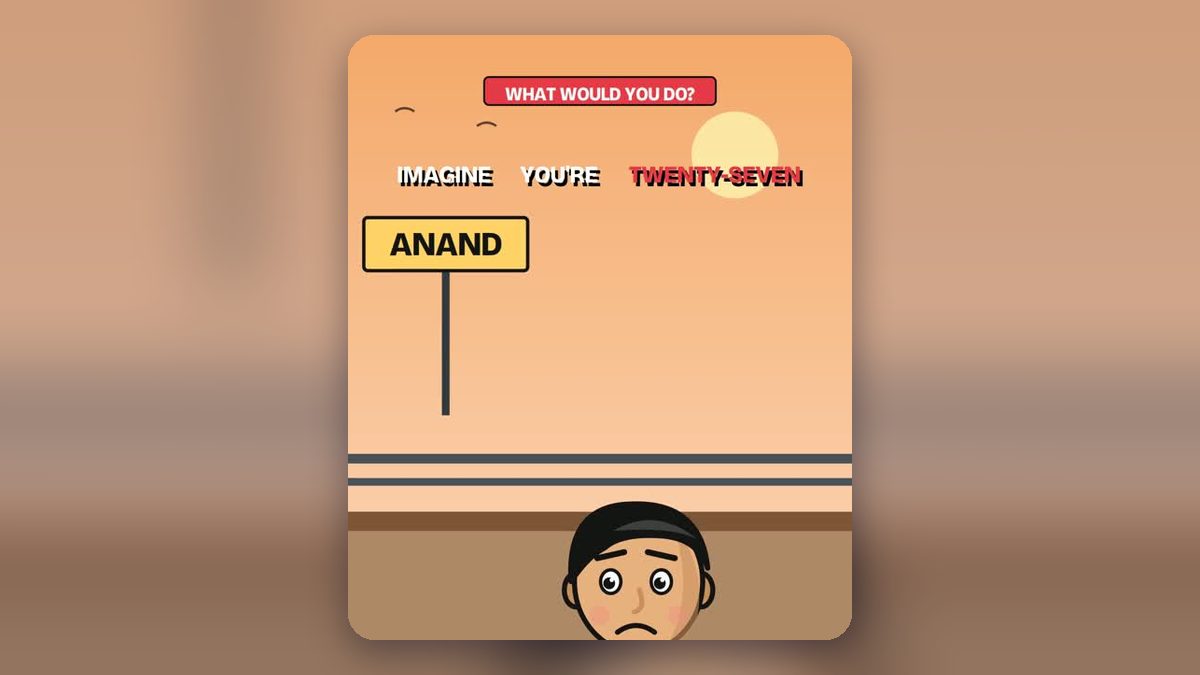
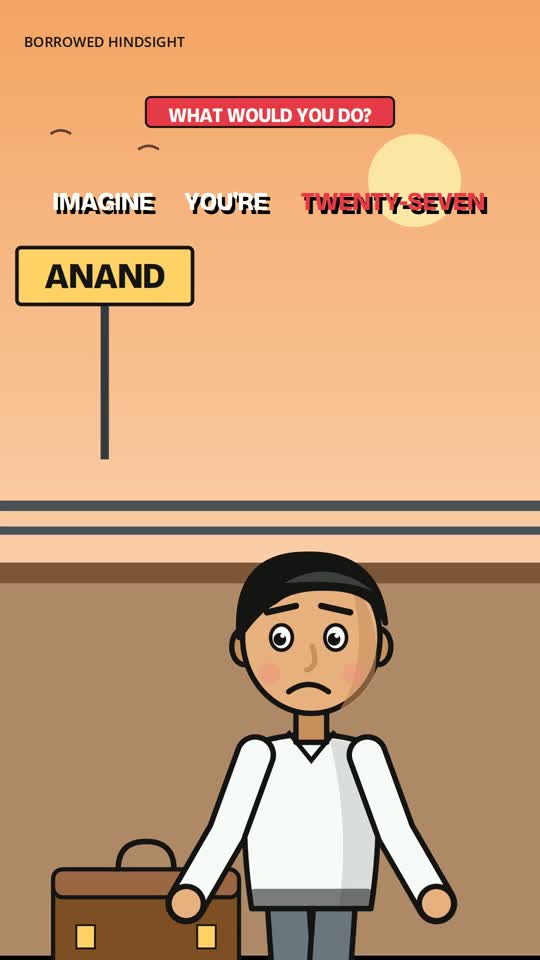
Illustration from the Borrowed Hindsight video about this story.
In this story
Imagine you are 27, with a master's degree from America, posted to a small town you never wanted to live in. You count the days until you can leave. Finally your release letter arrives, and your bags are packed for Bombay.
Then a farmers' leader knocks and asks for one small favour: stay a few more days and help us set up our dairy machines. That was Verghese Kurien's choice at the end of 1949. Before you read on, ask yourself: what would you have done?
A posting he never wanted
Kurien had gone to the United States on a government scholarship and earned a master's degree at Michigan State University. The scholarship came with a condition: he had to serve the government when he returned.
On 13 May 1949 he arrived in Anand, in what is now Gujarat, to work at the Government Research Creamery. By Amul's own account, he wanted only one thing: to finish his bond and leave as soon as he could.
The release letter, and a ticket to Bombay
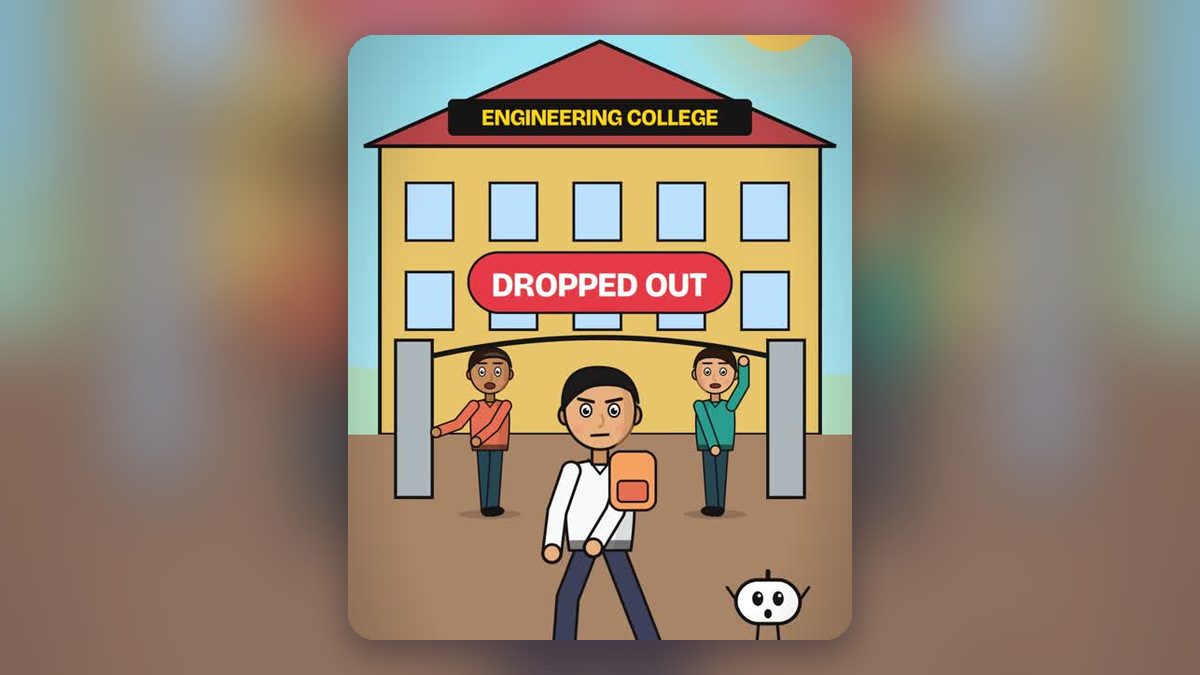
Towards the end of 1949 his relieving order came through. He was free. His plan was to go to Bombay, the big city where a young engineer with an American degree could build a real career.
Most people in his place would have caught the next train. The small creamery had been a duty, not a dream.
Choice: the big city, or a few more days?
Option A was obvious: go to Bombay. A bigger salary, a bigger city, a career that matched his degree.
Option B was to agree to a small request. Tribhuvandas Patel, the chairman of the Kaira District Co-operative Milk Producers' Union, a small group of local dairy farmers, asked him to stay a few more days and help assemble the cooperative's dairy equipment.
It did not look like a life decision. It looked like a favour. That is exactly what makes it interesting.
What he actually did
He agreed to stay a few days. He never left. In 1950 he became the head of the Kaira union, the farmers' cooperative that later took the name Amul.
Through cooperatives like it and the national programme Operation Flood, India went from importing dairy products to becoming the world's largest milk producer, passing the United States in 1998.
Why option A was the sensible choice
It is easy to admire B in hindsight. At the time, A was the rational move. Kurien had a release letter, a qualification few people in India had, and no obligation to stay. Nobody would have blamed him for leaving.
The cost of B was invisible: a few days of his time. The cost of A was also invisible: a future he could not see. Most big turning points look like this. They arrive disguised as small, slightly inconvenient requests.
Why a few days mattered so much
Those few days put him next to people with a real problem and the will to solve it: farmers who were being underpaid by middlemen and wanted to own what they produced. Working on their machines, he saw what their cooperative could become.
His career did not come from a plan. It came from saying yes to something small, paying attention, and then choosing to stay when he saw the opportunity was bigger than the city he had been waiting for.
What you can borrow from it
When someone asks you for a little of your time on something real, it can be worth saying yes before you know where it leads. The detour is cheap. The view from it is sometimes priceless.
And if you feel stuck where you never wanted to be, look around once more before you leave. The thing worth staying for is not always obvious on the first day.
Timeline
- Late 1940sKurien studies in the US on a government scholarship (master's, Michigan State)
- 13 May 1949Arrives at the Government Research Creamery in Anand to serve his bond
- End of 1949Gets his relieving order and plans to leave for Bombay
- Days laterTribhuvandas Patel asks him to stay a few days to help set up the cooperative's machines
- 1950Becomes head of the Kaira District Co-operative Milk Producers' Union, later Amul
- 1998India passes the US to become the world's largest milk producer
Big turning points often arrive disguised as small favours. Saying yes to a few more days can be how you find your life's work.
Your check
- Is someone asking you for a little time on something real that you have been brushing off?
- If you feel stuck where you are, what is one thing here you have not looked at closely yet?
Watch this story in under a minute
Animated, narrated, and sourced like this page.
Questions people ask
Why did Verghese Kurien go to Anand?
He was posted to the Government Research Creamery in Anand in 1949 to serve the bond attached to his government scholarship for studies in the United States.
Did Verghese Kurien want to leave Anand?
Yes. By Amul's account he wanted only to finish his bond and leave; when his relieving order came at the end of 1949 he planned to go to Bombay.
Who asked Verghese Kurien to stay in Anand?
Tribhuvandas Patel, chairman of the Kaira District Co-operative Milk Producers' Union, asked him to stay a few days to help set up the cooperative's dairy equipment. He stayed for good.
How did Amul start?
Amul grew out of the Kaira District Co-operative Milk Producers' Union, a farmers' cooperative in Anand that Verghese Kurien headed from 1950.
When did India become the largest milk producer?
India passed the United States to become the world's largest milk producer in 1998, helped by farmer cooperatives and Operation Flood.
Sources
- Dr. Verghese Kurien 1921-2012, Amul (Kaira District Co-operative Milk Producers' Union)
- Verghese Kurien, Encyclopaedia Britannica
- Verghese Kurien, Wikipedia
Every fact on this page comes from the sources above, and every number is checked in at least two. General education, not personal or financial advice. Spotted an error? Tell us and we will correct it. Read our editorial standards.